Written by Chris Paras. Read more about the author.
Most homeowners don’t think about their electrical system until something goes wrong. A breaker trips, an outlet stops working, or the lights flicker in one room. Suddenly there are a lot of questions — and not always great answers online. I’ve worked with hundreds of homeowners and businesses across northern Nevada, and the same questions come up again and again. This post pulls those together in one place, with straight answers based on what I actually see in the field.
Write FAQ Services Questions Answered
FAQ services in the electrical trade means giving customers real, specific answers to the questions they ask most often — before, during, and after a job. It’s not a glossy brochure or a list of services. It’s the kind of information that helps someone decide whether to call an electrician today or wait, whether a job is an emergency or routine, and what a fair price range looks like.
At Ohms Electric Reno & Sparks, we answer these questions every day over the phone, on job sites, and now here in writing. The goal is the same every time: help people make a confident, informed decision. Electrical work involves safety, money, and code compliance. Homeowners deserve clear answers, not vague estimates and technical jargon.
What follows are the five questions I hear most often from customers in the Reno and Sparks area. Each one gets a real answer — not a hedge, not a “it depends,” unless it genuinely does depend on something I can explain.
—
How Do I Know If I Need an Electrical Repair Company or Can Wait?
This is probably the most common call we get. Someone notices something odd — a warm outlet cover, a light switch that buzzes, a breaker that trips every few days — and they want to know if it’s urgent.
Here’s my honest breakdown: some things can wait a week, and some things need a call today.
Call an electrical repair company the same day you notice any of these: outlets or switches that are warm to the touch, a burning smell anywhere in your home (even if it comes and goes), visible scorch marks around an outlet or panel, lights that flicker throughout the house (not just one bulb), or a breaker that trips repeatedly and immediately when you reset it. These are signs of a potentially serious wiring problem, an overloaded circuit, or a failing component. The Occupational Safety and Health Administration estimates that electrical failures cause thousands of residential fires annually. I’ve walked into homes where the owner waited two weeks on something that had already started burning insulation inside the wall.
On the other hand, a single dead outlet in one room, a light fixture that flickers only when the bulb is loose, or a GFCI outlet that keeps tripping in the bathroom — those are still worth fixing, but they’re not middle-of-the-night emergencies. Schedule something within a week or two.
The rule I give customers: if heat, smell, or sparks are involved, don’t wait.
—
What Does a Licensed Electrician Actually Do Differently?
I get this one from homeowners who’ve had a handyman do electrical work in the past, or who are tempted to DIY something they found a YouTube tutorial for. Here’s the plain truth.
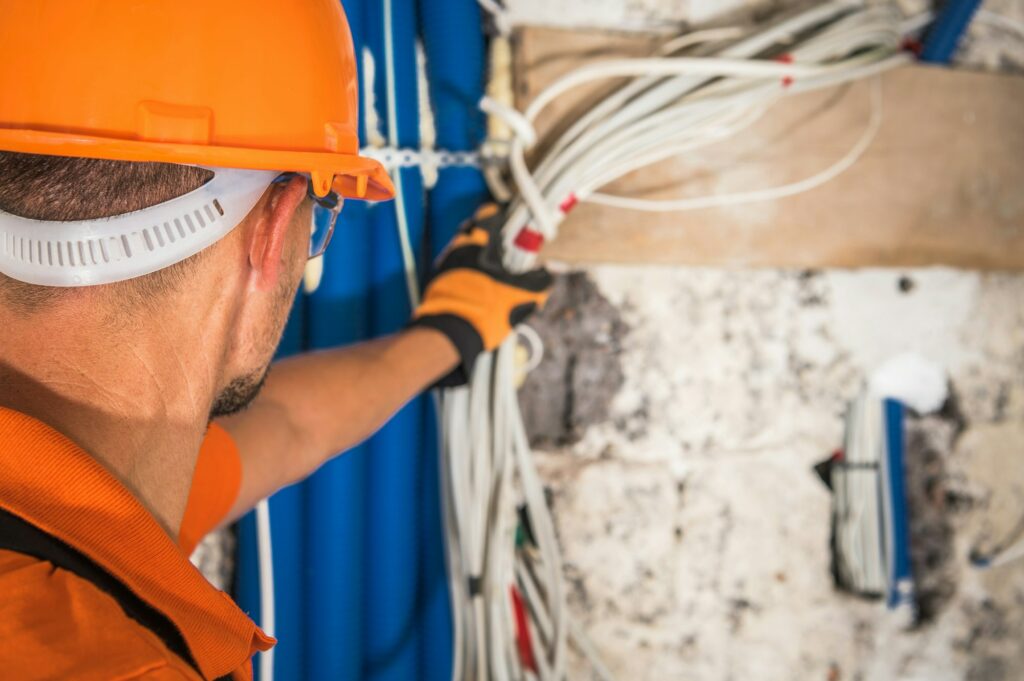
A licensed electrician has passed state-level exams, logged thousands of hours of supervised field work, and carries insurance. In Nevada, the state requires electrical contractors to be licensed through the Nevada State Contractors Board. That license matters for three reasons.
First, it means the work will meet code. The National Electrical Code (NEC) is updated every three years, and Nevada adopts updates on its own schedule. Licensed electricians know which version is currently enforced locally. Unlicensed work often doesn’t meet current code — which matters enormously when you sell your home or file an insurance claim after a fire.
Second, if something goes wrong, you have recourse. A licensed contractor carries liability insurance. If a handyman does your panel work and the house burns down, you may find yourself with no legal path to compensation.
Third, permitted work gets inspected. Permits aren’t just bureaucratic red tape — an inspector is a second set of eyes that catches mistakes before the walls close up. The National Electrical Contractors Association has published data showing that inspected electrical work significantly reduces fire and shock risk compared to uninspected work.
From a practical standpoint, a licensed electrician brings the right tools, knows how to read a home’s existing wiring, and can spot problems adjacent to the main job — problems that might not show up for months if left alone.
—
What Are the Most Common Electrical Installation Jobs in Northern Nevada Homes?
In my work across Reno, Sparks, and the surrounding communities, the electrical installation requests I see most fall into a pretty consistent set of categories.
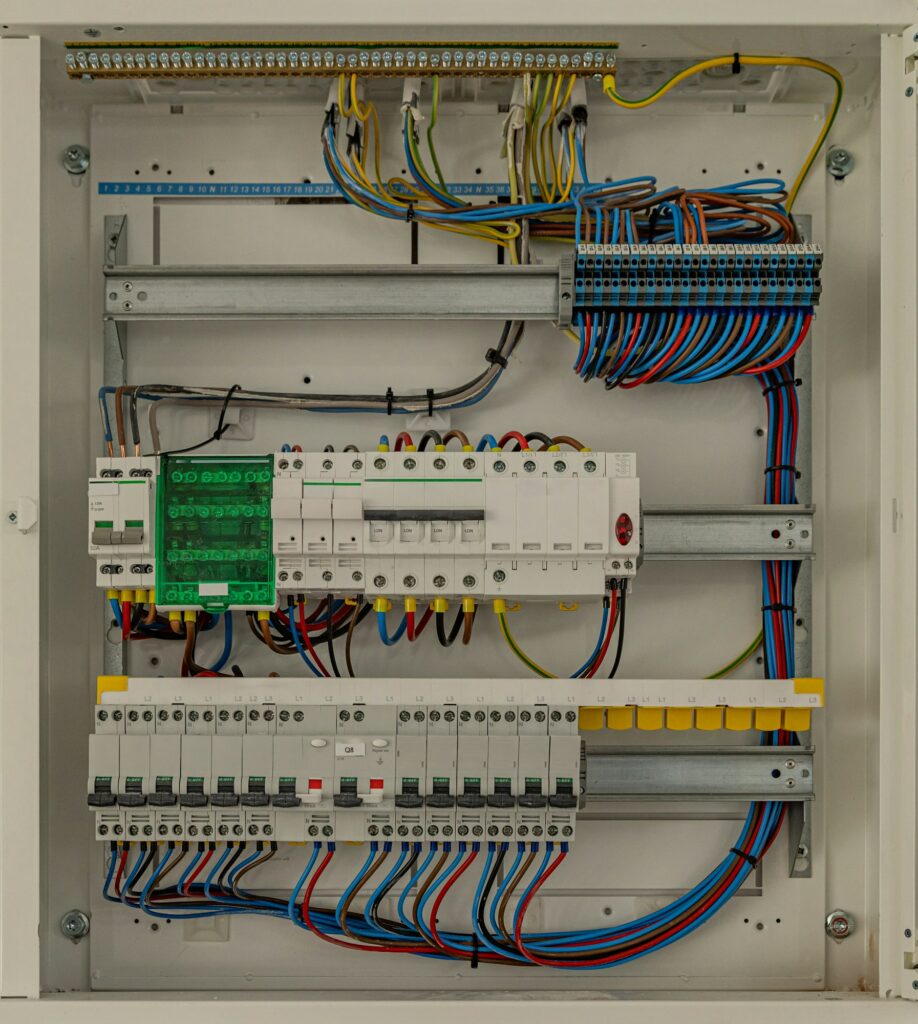
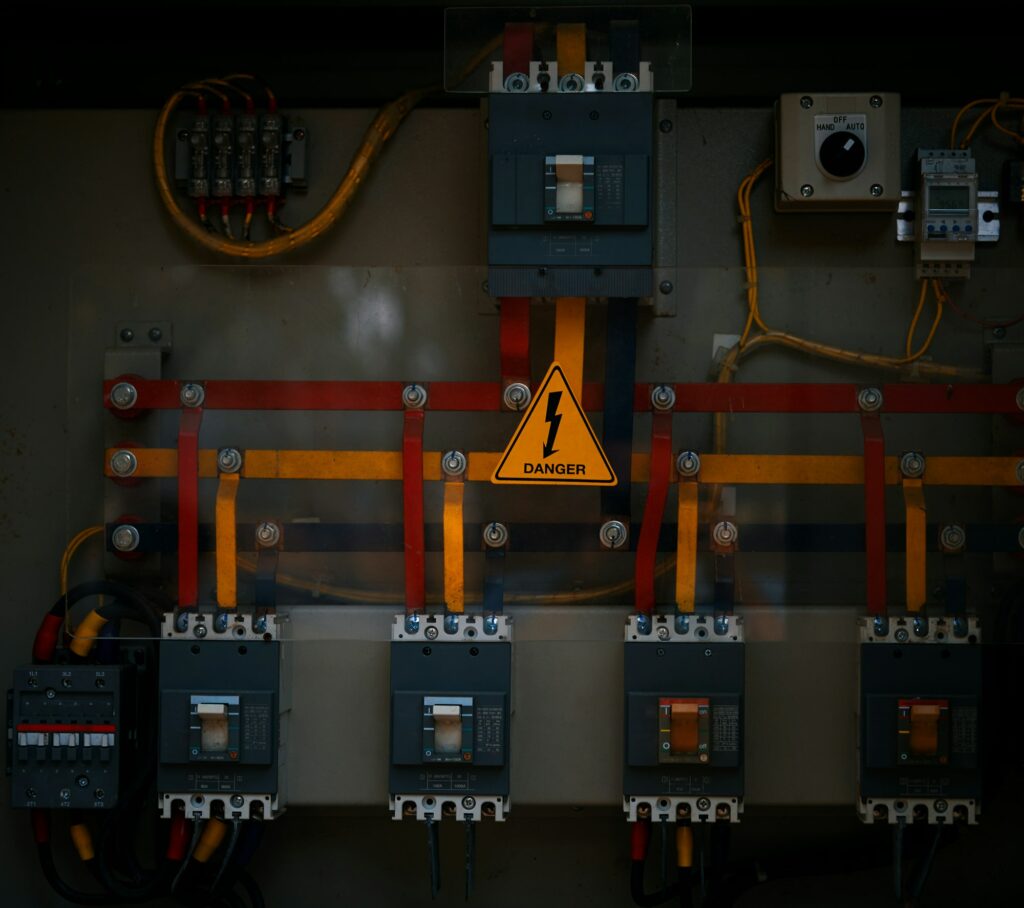
Electrical panel installation is one of the biggest. A lot of homes in northern Nevada were built in the 1970s through 1990s with 100-amp panels. Today’s homes need 200 amps at minimum, especially with electric vehicles, heat pumps, and home offices pulling power. We replace a lot of undersized panels.
EV charging station installation has exploded since 2023. In 2026, more than 30% of new vehicle sales in Nevada are electric or hybrid. Almost every one of those owners eventually wants a Level 2 charger at home. That requires a dedicated 240V circuit, which means running new wiring and often upgrading the panel first.
Recessed light installation comes up constantly in remodels. Homeowners want to eliminate old track lighting or surface fixtures and get a cleaner look. We run new circuits when needed and make sure the fixtures are rated correctly for insulated ceilings.
Ceiling fan installation sounds simple, but it’s a job that goes wrong surprisingly often when it’s DIY’d. The box in the ceiling has to be rated for a fan’s weight and movement. A regular light fixture box will fail over time with a ceiling fan attached.
Outlet installation and wiring installation round out the list. Kitchen remodels often need additional dedicated circuits. Home offices need more outlets than were planned when the house was built. We do a lot of this work as part of larger remodels or as standalone jobs.
For new builds, we handle the full scope as a new construction electrical contractor — from rough-in through final trim, coordinating with the general contractor and passing all inspections.
—
How Much Should Electrical Repair Services Cost in 2026?
I’ll answer this one carefully because pricing varies, and anyone who gives you a flat number without seeing your job is guessing. But I can give you honest ranges based on what we charge and what the market looks like in northern Nevada.
For basic electrical repair services — replacing a failed outlet, fixing a wiring connection, swapping a faulty switch — expect to pay $100 to $250 for most jobs, which usually includes a service call fee and an hour or less of labor. Parts are typically under $20 for standard components.
Circuit breaker repair or circuit breaker installation runs $150 to $350 depending on the breaker type and how accessible the panel is. Tandem breakers, AFCI breakers, and GFCI breakers all cost more than standard breakers. Arc fault breakers, which are now required by code in most living areas under the 2020 NEC, can cost $40 to $70 each just for the part.
Panel replacements are the big-ticket item. A 200-amp panel upgrade in Reno runs roughly $2,500 to $4,500 in 2026, depending on whether we need to relocate the panel, how much rewiring the service entrance needs, and permit fees. If you’re getting a quote significantly below that range, ask specifically what’s included — sometimes low quotes exclude permit fees or assume nothing unexpected.
Generator installation varies the most. A portable generator with a transfer switch starts around $1,500 to $2,500 installed. A whole-home standby generator can run $7,000 to $15,000 installed depending on the size, fuel type, and site conditions.
What I tell every customer: get three quotes from licensed electrical contractors. Not to find the cheapest one, but to make sure the quotes are scoping the same work. If two come in around the same number and one is dramatically lower, that’s your signal to ask questions.
The Independent Electrical Contractors association recommends always confirming that a quote includes permit fees, clean-up, and any required inspections — because these are easy line items to omit.
—
What Questions Should I Ask Before Hiring an Electrical Contractor?
Hiring an electrical contractor isn’t like hiring a house cleaner. The stakes are higher, the licensing requirements are real, and the work affects your home’s safety and resale value. Here’s what I’d actually ask if I were the customer.
Are you licensed in Nevada, and can I verify it? You can look up any Nevada contractor license at the Nevada State Contractors Board website. Takes two minutes and removes all doubt. The license number should appear on any written estimate they give you.
Will you pull the required permits? Any substantial electrical work — panel changes, new circuits, service upgrades, most installations — requires a permit in Reno and Sparks. If a contractor tells you permits aren’t necessary for a job that clearly requires one, that’s a red flag. Unpermitted work can create problems with your homeowner’s insurance and cause headaches when you sell.
Do you carry general liability and workers’ comp insurance? Ask for certificates, not just a yes. If a worker is injured on your property and the contractor doesn’t carry workers’ comp, you could be liable.
What’s your timeline and who will actually do the work? Some contractors quote the job and then send a subcontractor you’ve never met. That’s not automatically a problem, but you should know upfront.
What happens if you find additional problems once the walls are open? This is a real scenario, especially in older homes. A good contractor explains how they handle scope changes before starting — not after they’ve already done the work.
The Electrical Association has published consumer guidance on contractor selection that reinforces most of these same points. Reading their materials before your first call is worth the 10 minutes.
One thing I’ve learned from years of running estimates in northern Nevada: the homeowners who ask the most questions tend to end up with the best outcomes. Not because they’re difficult, but because they understand what they’re paying for, and that keeps everyone honest.
—
Lighting Choices Matter More Than People Think
This section comes up as a bonus because so many customers ask about it once we’re already on site. Northern Nevada lighting installation is one of those jobs that changes how a home feels more than almost anything else.
In my experience, the biggest mistake people make is choosing lighting fixtures before thinking about the circuit. If you’re putting recessed LED fixtures across a large great room, you may need more than one circuit to handle the load cleanly — especially if you’re adding dimmers, which can interact poorly with certain LED drivers. The second most common mistake is buying cheap dimmers. A $6 dimmer from a big box store will often buzz, flicker, or cause early LED burnout. A $25 Lutron Caséta dimmer works correctly and lasts.
Lighting is also where energy savings show up most obviously. Replacing eight 65-watt incandescent recessed cans with 9-watt LED equivalents cuts the lighting load in that room by about 86%. For a home that runs those lights four hours a day at Nevada’s average 2026 residential rate of roughly $0.12 per kWh, that’s real money over a year.
—
Talk to an Electrician Before You Assume the Worst
A lot of homeowners put off calling because they’re worried about the cost, or they assume a small problem is a sign of something catastrophic. In my experience, most problems we find are fixable and not nearly as expensive as the customer feared. And the ones that are serious — those really do need attention before they become dangerous.
If you’re in the Reno or Sparks area and have questions about electrical repair services or are planning an installation project, Ohms Electric Reno & Sparks is the team to call. We’re licensed, insured, and we pull permits on every job that requires one.
Visit our services page to see the full range of what we handle, or go straight to our licensed electrician page to learn more about how we work. Ready to schedule? Contact us and we’ll get back to you the same day.