How Much Does It Cost to Have a Generac Standby Generator Installed?
Most homeowners in the Reno and Sparks area pay between $5,000 and $15,000 to have a Generac standby generator installed — equipment included. That’s a wide range, and for good reason. The final number depends on the size of the generator, how far your gas line runs, the condition of your electrical panel, local permit requirements, and whether your property needs any site prep before the pad gets poured.
The generator unit itself is usually the biggest single cost. A smaller Generac model like the 11kW Guardian starts around $2,000 to $2,500 at retail. A 22kW model runs closer to $4,000 to $5,000 before anyone touches a shovel. Add professional installation — which in Nevada typically runs $2,500 to $6,000 depending on complexity — and you’re looking at a realistic all-in cost of $7,500 to $11,000 for most whole-home setups.
I’ve seen quotes all over the place, and the spread usually comes down to one thing: what the job actually involves once someone shows up to assess the site. That assessment matters more than any number you’ll find in a generic price guide.
—
How Much Does It Cost to Have a Generac Generator Installed?
The short answer for a mid-range Generac installation — say a 13kW or 16kW unit on a standard residential lot — is roughly $6,500 to $9,500 installed. That includes the unit, a transfer switch, a concrete pad, basic gas and electrical connections, and the permit.
What doesn’t show up in those numbers is the cost of surprises. In my experience doing generator installation work across Northern Nevada, the surprises most often involve one of three things: the gas line isn’t where the homeowner thinks it is, the electrical panel is older and needs upgrading before it can handle a transfer switch, or the chosen generator location sits farther from the panel and gas meter than anticipated.
Each of those adds cost. A gas line extension of 20 to 30 feet adds $300 to $600. An electrical panel installation or upgrade can add $1,500 to $3,000. A longer conduit run to the panel adds labor. None of these are unusual — they’re just part of what a real installation assessment turns up.
The cleanest installs I’ve done are on newer homes where the panel is already 200-amp, the gas meter is close to the planned generator location, and there’s a clear, level spot for the pad. Those jobs come in toward the lower end of the range. Older homes with 150-amp panels, propane instead of natural gas, or complicated site access tend to run higher.
One thing worth knowing: Generac uses a dealer/installer network, and prices vary between contractors. Getting two or three quotes is smart. Just make sure each quote covers the same scope — generator size, transfer switch type, pad, permits, and startup. A low quote that leaves out the transfer switch is not actually a low quote.
—
How Much Does It Cost to Install a Generac Automatic Generator?
When people ask about a “Generac automatic generator,” they’re usually asking about a standby generator with an automatic transfer switch (ATS) — as opposed to a portable generator you have to start manually and plug in yourself. Every Generac standby unit comes with automatic operation built into the package. That’s the whole point.
The automatic transfer switch monitors your utility power continuously. When the grid goes down, the switch triggers the generator to start — usually within 10 to 20 seconds — and reroutes power to your home automatically. When utility power returns, it switches back and shuts the generator off. You don’t have to do anything.
The ATS itself typically adds $500 to $1,500 to the installed cost depending on the amperage and whether it’s a load-center style (covering selected circuits) or a whole-home transfer switch. For a true automatic whole-home solution, most installations use a 200-amp automatic transfer switch, which sits at the higher end of that range.
Labor for the ATS installation is usually included in your overall installation quote, but confirm this before signing anything. At Ohms Electric Reno & Sparks, we walk through exactly what’s included in a quote so there are no line items that appear after the fact.
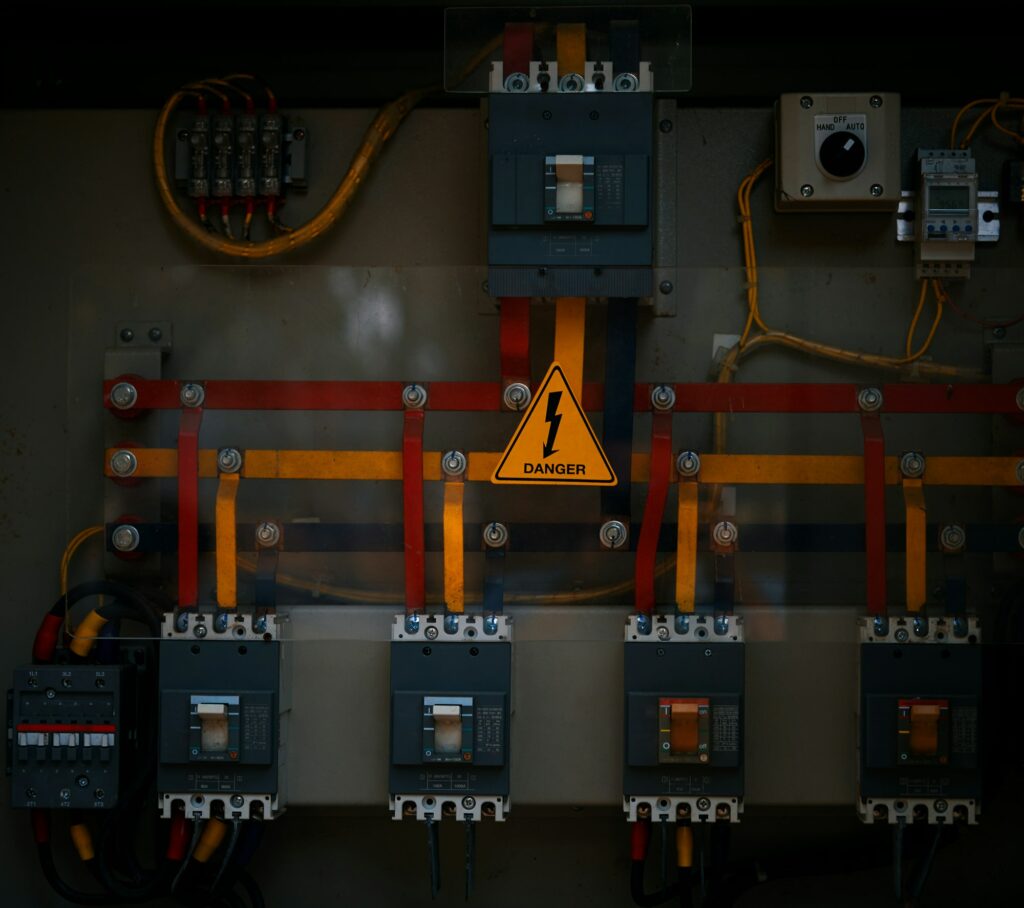
One thing I tell homeowners: don’t cheap out on the transfer switch. A properly rated, code-compliant ATS is what keeps your generator from back-feeding into the utility grid — which is genuinely dangerous for lineworkers and can void your insurance. The Occupational Safety and Health Administration has published resources on electrical hazard prevention that make clear why proper transfer switch installation isn’t optional. An undersized or improperly installed switch is one of the most common code violations I see on DIY or cut-rate installations.
—
How Much Does It Cost to Install a Generac 22kW Generator?
The 22kW Generac Guardian is one of the most popular whole-home models, and for good reason. It can power a 2,500 to 3,500 square foot home, run central air conditioning, a well pump, electric range, and other major appliances simultaneously. It’s air-cooled, runs on natural gas or propane, and Generac backs it with a solid warranty.
In 2026, expect to pay $8,500 to $13,000 installed for a Generac 22kW generator on a typical residential job. Here’s a rough breakdown of where that money goes:
The generator unit itself retails between $4,000 and $5,000. Installation labor runs $2,500 to $4,000 for a standard job. The automatic transfer switch adds $700 to $1,500. A concrete pad is typically $300 to $600. Permits and inspections in most Nevada jurisdictions run $150 to $400.
The 22kW model requires a gas supply line that can handle higher BTU demand than smaller units. If your existing gas line can’t handle the load — and this is something a licensed contractor needs to verify, not guess at — you’ll need a larger supply line run or a regulator upgrade. That can add $500 to $1,500 to the job.
What I’ve noticed over the years is that homeowners sometimes buy a 22kW unit when a 16kW or 18kW would cover their actual load. Before committing to the largest air-cooled unit Generac makes, have a contractor run a load calculation based on what circuits you actually want covered. The difference in purchase price between a 22kW and an 18kW isn’t enormous, but it’s not nothing either — and matching the generator to the load matters for fuel efficiency and long-term wear on the engine.
The National Electrical Contractors Association recommends that generator sizing always be based on a formal load analysis, not on square footage estimates alone. I’d second that. Two 2,500 square foot homes can have dramatically different electrical loads depending on how they’re equipped.
—
How Much Does It Cost to Install a Generac Whole House Generator?
This is where the numbers get the most context-dependent, because “whole house” means different things. For some homeowners, it means backing up every circuit in the home. For others, it means keeping the essentials running — HVAC, refrigerator, lights, and a few outlets — without necessarily powering the hot tub and the electric dryer simultaneously.
True whole-home backup, where everything runs as normal during an outage, typically requires a generator in the 22kW to 26kW range for a mid-sized home and potentially larger for homes with multiple HVAC systems, electric water heaters, or electric ranges. That puts the installed cost at $10,000 to $18,000 for larger systems, including all equipment, labor, permits, and site work.
For homes that want smart load management — where the generator powers critical circuits first and adds others as capacity allows — Generac’s PWRmanager technology can stretch a smaller generator to cover more of the home intelligently. This approach can bring the installed cost down by $2,000 to $3,500 compared to buying a larger unit outright.
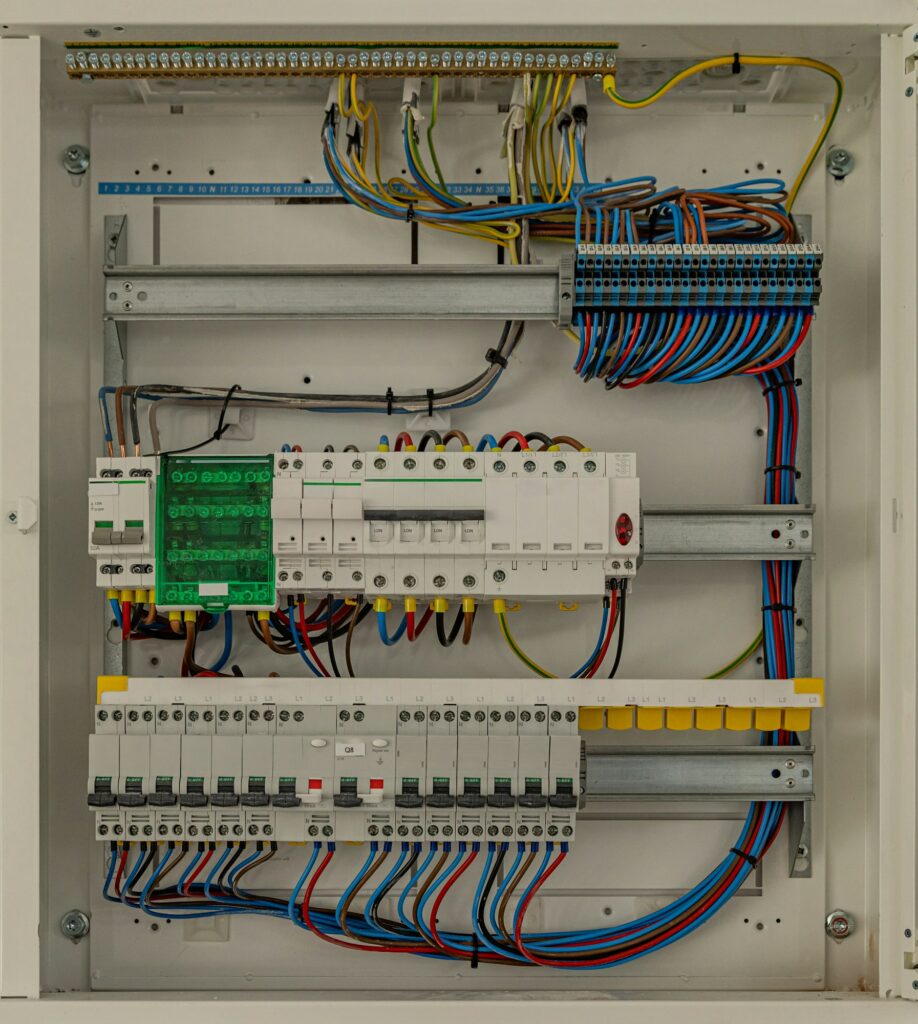
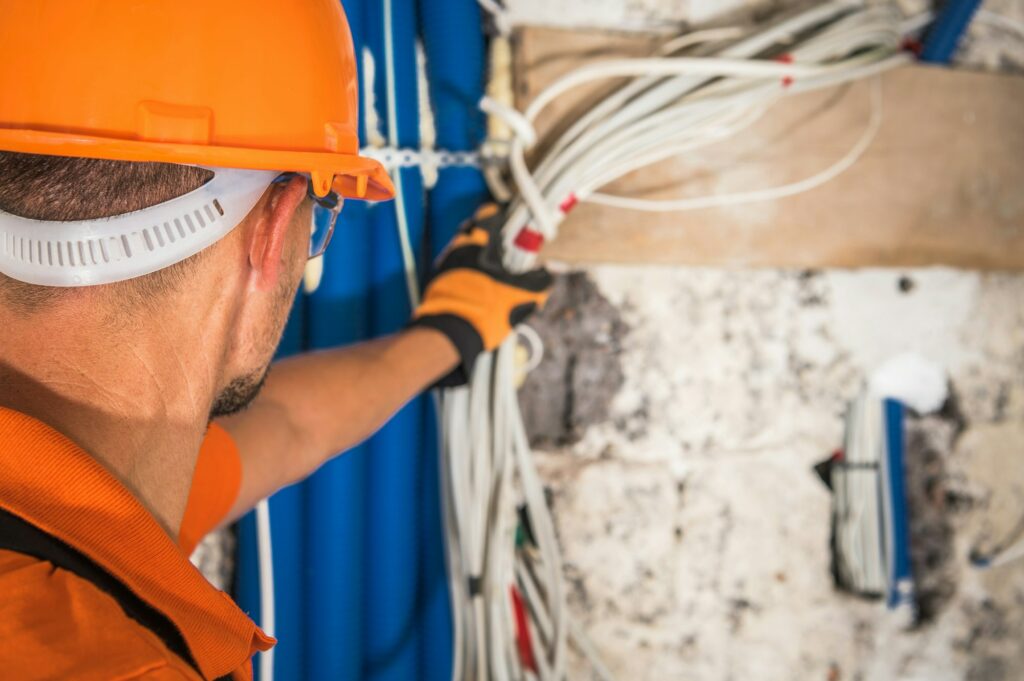
Here’s what often surprises homeowners: the generator itself is rarely the limiting factor in a whole-home installation. The real work — and often the real cost — is in the electrical integration. Getting a properly sized transfer switch installed, making sure the circuit breaker installation and panel are up to the task, running conduit, pulling permits, and scheduling inspections — that’s where a skilled licensed electrician earns their fee.
I’ve seen homeowners buy a generator from a big-box store and then try to hire a random handyman to install it. That’s a path that leads to failed inspections, voided warranties, and in the worst cases, house fires. Generac requires factory-authorized dealer installation to maintain the warranty on many of their units. The Independent Electrical Contractors association maintains standards that protect homeowners from exactly these kinds of shortcuts.
A whole-house generator installation done correctly is a multi-day job involving gas fitters, electricians, and a building permit inspection. Budget accordingly, and hire a contractor who will pull the permit themselves — not one who asks if you’d rather skip it to save money.
—
What Factors Push Your Installation Cost Up or Down?
After doing this work across Reno and Sparks for years, I can tell you the five factors that move the needle most:
Generator size. This is the obvious one. A 13kW unit costs less than a 22kW unit, full stop. Right-sizing the generator to your actual load keeps costs honest.
Transfer switch type. A load-center transfer switch that covers 8 or 10 selected circuits costs less than a 200-amp whole-home automatic transfer switch. If you don’t need everything backed up, you don’t need the top-of-the-line switch.
Distance from gas meter and electrical panel. This one surprises people. A generator that sits 10 feet from the gas meter and 15 feet from the panel costs less to install than one that sits 60 feet from both. Every additional foot of gas line and electrical conduit adds material and labor cost.
Panel condition. Older panels — particularly Federal Pacific or Zinsco panels — often can’t safely accept a transfer switch without a full panel replacement. If your panel is 30 or 40 years old, build contingency into your budget.
Site conditions. Sloped lots, rocky soil, tight access for equipment, or existing concrete in the generator location can all add cost. A site visit before quoting is non-negotiable for an accurate number.
—
Permits and Inspections in Nevada
Nevada requires permits for standby generator installations. In Reno and Sparks, this typically means a building permit and an electrical permit, sometimes a gas permit as well depending on the scope of the gas work. The total permit cost usually runs $150 to $400.
Skipping permits is a bad idea for reasons beyond just getting caught. If your generator causes a fire, an electrical problem, or a gas leak, and it was installed without permits, your homeowner’s insurance has grounds to deny the claim. The Electrical Association is clear that permitted work protects homeowners from exactly this exposure.
A reputable generator installation company will pull permits as a matter of course and schedule the final inspection. If a contractor suggests skipping the permit to save time or money, walk away.
—
Frequently Asked Questions
How Long Does a Generac Installation Take?
Most standard residential installations take one to two days. Larger or more complex jobs — longer gas line runs, panel work, difficult site access — can extend to three days. The permit inspection typically happens a few days after the installation is complete.
Does Generac Installation Require a Specific Electrician?
Generac prefers their units be installed by factory-authorized dealers to maintain the warranty. Beyond that, the electrical work must be done by a licensed electrician in most jurisdictions. In Nevada, that means a licensed electrical contractor. Verify licensure before hiring anyone.
How Long Do Generac Standby Generators Last?
With proper maintenance — annual oil changes, spark plug replacement, regular exercise cycles — a Generac standby generator can last 20 to 30 years. Generac’s air-cooled units typically carry a 5-year warranty from the factory.
What Fuel Does a Generac Standby Generator Use?
Most residential Generac units run on natural gas or propane. Natural gas is more convenient if you have a gas line at the house, since you never have to refill a tank. Propane works well in rural areas without gas service but requires a storage tank sized to the generator’s consumption rate.
Can I Install a Generac Generator Myself?
Technically, some jurisdictions allow homeowner-permitted DIY generator installation with the proper licenses in place. In practice, the work involves gas line connections and electrical work inside your panel — both of which carry serious safety risks and require licensed professionals in Nevada. Generac also requires professional installation to honor the warranty.
—
Get an Accurate Quote Before You Budget
The ranges in this post are real, but they’re still ranges. The only number that matters for your home is the one based on an actual site assessment — your panel, your gas supply, your lot, your load requirements.
If you’re in the Reno or Sparks area, Ohms Electric Reno & Sparks offers generator installation services backed by licensed electricians who pull permits, handle inspections, and don’t leave you guessing about what’s included in the price. We’ve done enough of these installations to give you a straight answer fast.
Contact us to schedule a site assessment and get a specific quote for your property. No pressure, no vague estimates — just a real number based on what your job actually involves.